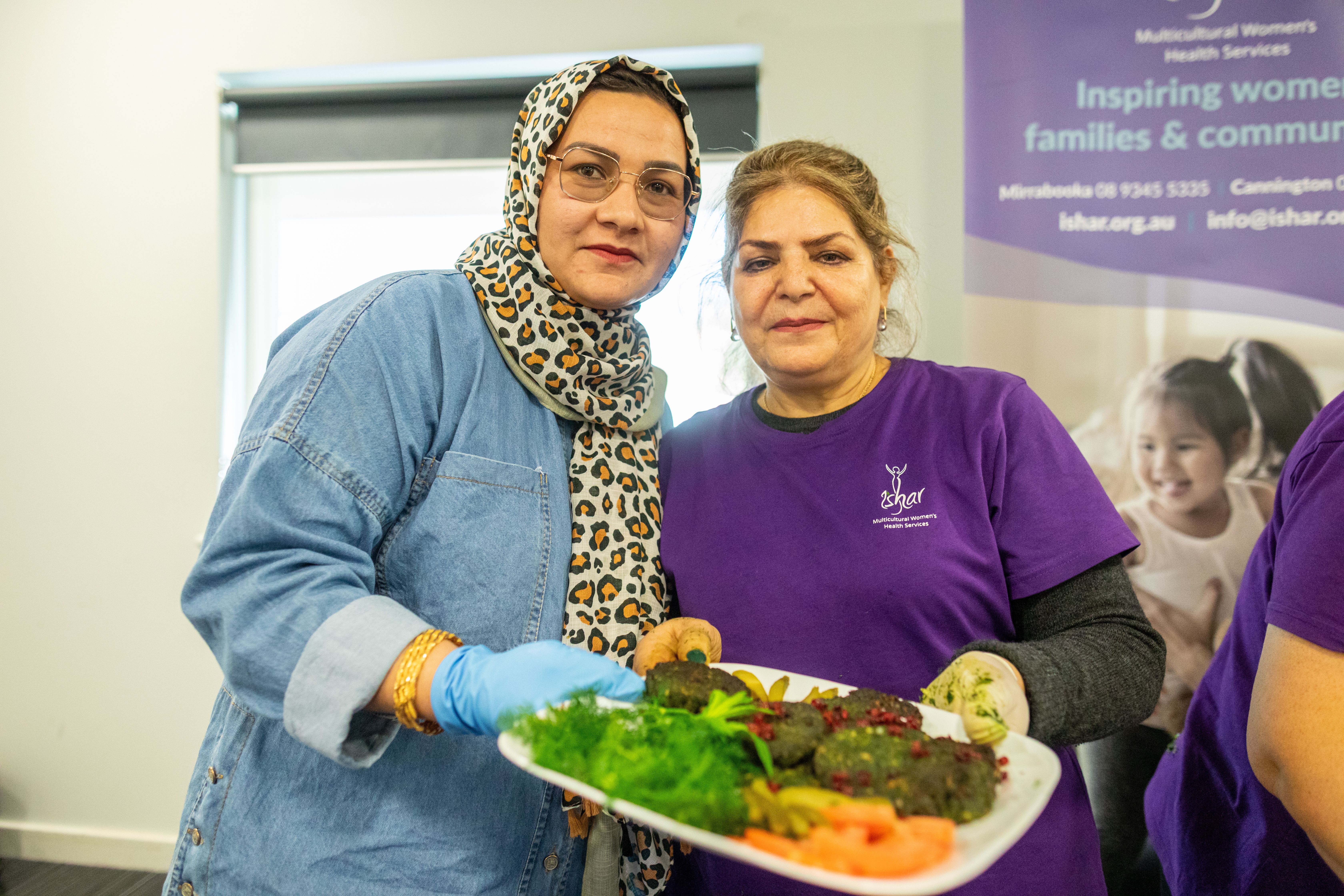
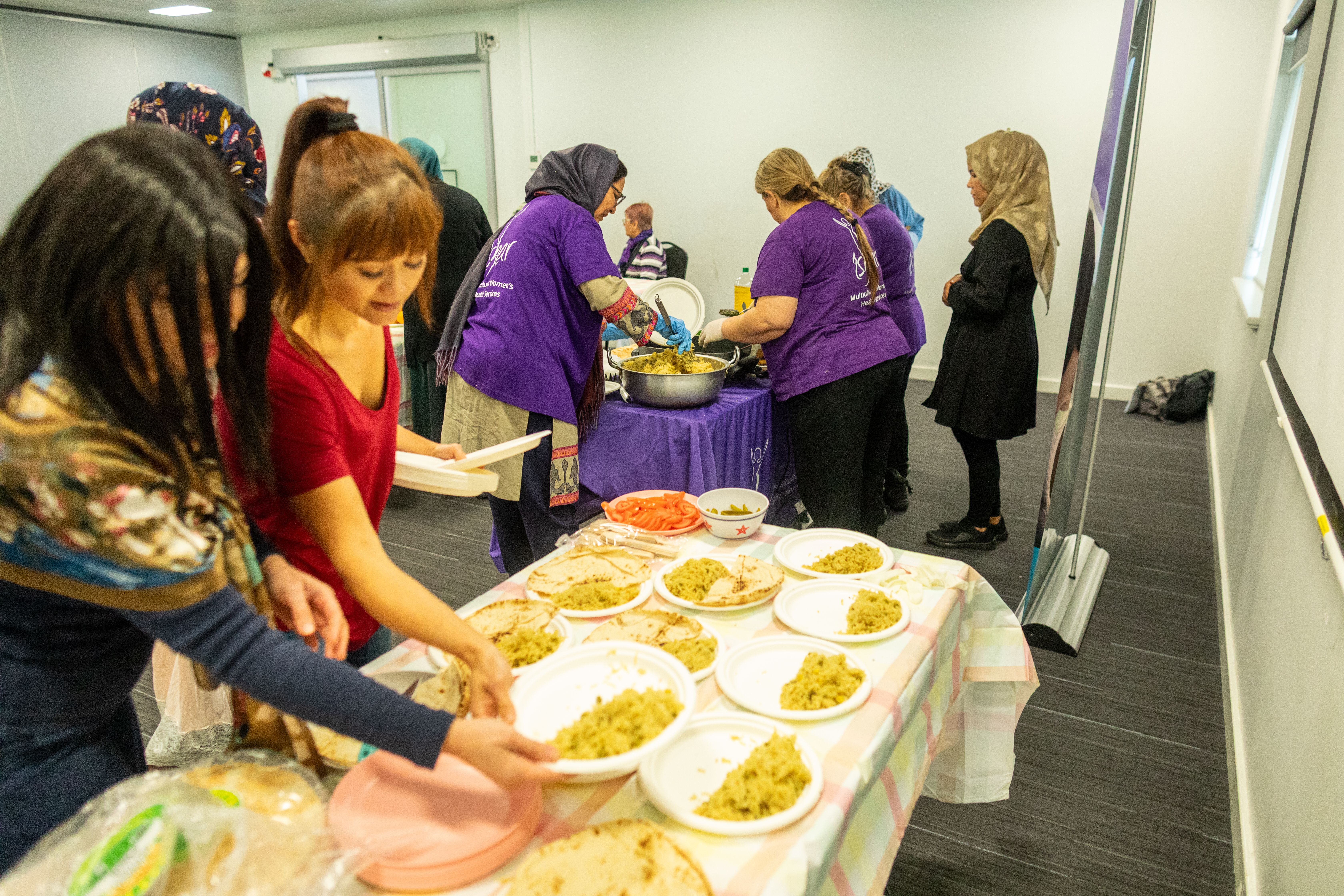
Ishar Multicultural Women’s Health Services (Ishar) works on the principle that when a woman is educated, supported and confident, the result is a healthier family and stronger community.
For more than three decades, Ishar has applied this approach in supporting vulnerable women and families from refugee and migrant backgrounds.
Its Healthway-funded nutrition education program, Healthy Food, Healthy Cultures, aims to improve the health of newly arrived refugees and migrants by addressing food insecurity and the barriers to food literacy in a culturally sensitive way.
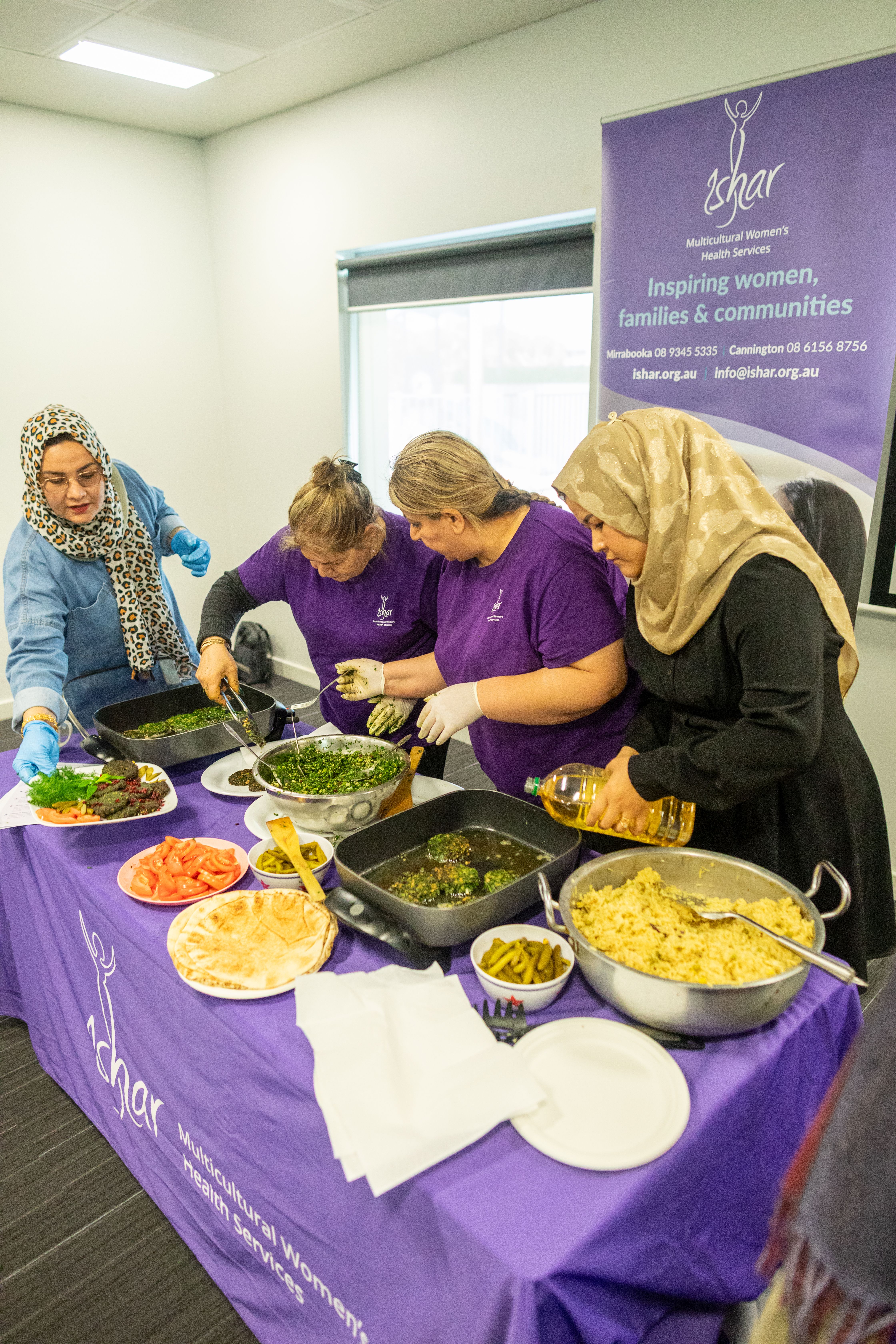
Ishar’s nutritionist, Ms Atefeh Rashnavadi, has seen the many hidden challenges to healthy eating that new arrivals face while adapting to life in a new country.
“Financial hardship, language barriers, trauma and food insecurity all make it harder for them to access and afford nutritious foods that also fit their cultural needs,” she said.
“This can force them to make unhealthy choices, because most of the time, those foods are cheaper and readily available. This can lead to nutritional deficiencies, delayed growth and development in children, and limit the ability of adults to work, study or care for others.
“This creates a cycle of poor health, stress, and social isolation that is difficult to break.”
With Healthway’s support, Ishar has focused on education first – with 113 community nutrition education sessions delivered over three years by staff from Ishar and the Child and Adolescent Health Service – Refugee Health.
A total of 1,037 participants, representing more than 40 different ethnic groups, have developed skills in reading food labels, preparing nutritious meals and planning healthy diets.
For Ms Rashnavadi, these sessions were key to unlocking participants’ confidence and agency.
“Nutrition education helps communities understand how the food system works in Australia,” she said.
“And because of the Healthway grant we could provide interpreters and deliver education in participants’ own languages. We also tailored resources – like videos, fact sheets and recipes – so they could fully understand and trust the information.”
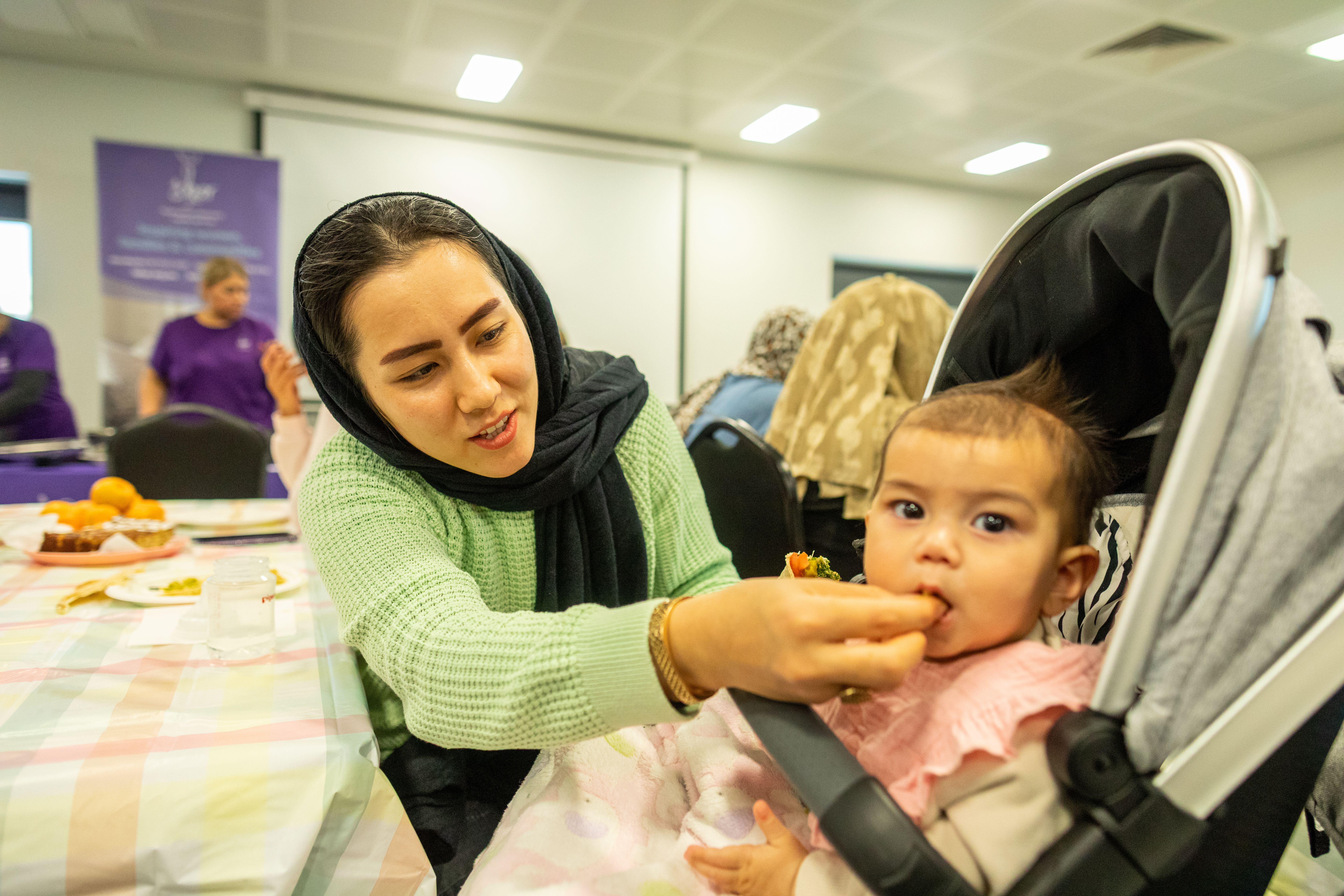
An essential ingredient in the program was its trauma-informed approach, which also included training other educators and service providers.
“Trauma doesn’t just affect people’s access to food – it also influences their eating behaviours, emotional wellbeing and sense of safety,” Ms Rashnavadi said. “One of the most important things for the educators to understand is that these people already have a rich background of food knowledge. We respect that. We become compassionate when we listen to them. And we integrate our knowledge together.”
The response from participants shows that the approach is working on many levels.
“Participants love these sessions because they feel heard, respected and confident to make better choices for their families and themselves. But it goes further – because food is also a reflection of who we are and where we come from. And now they can share it with the whole of Australia,” Ms Rashnavadi said.